7995 Pine Bluff Rd. Morris, IL 60450

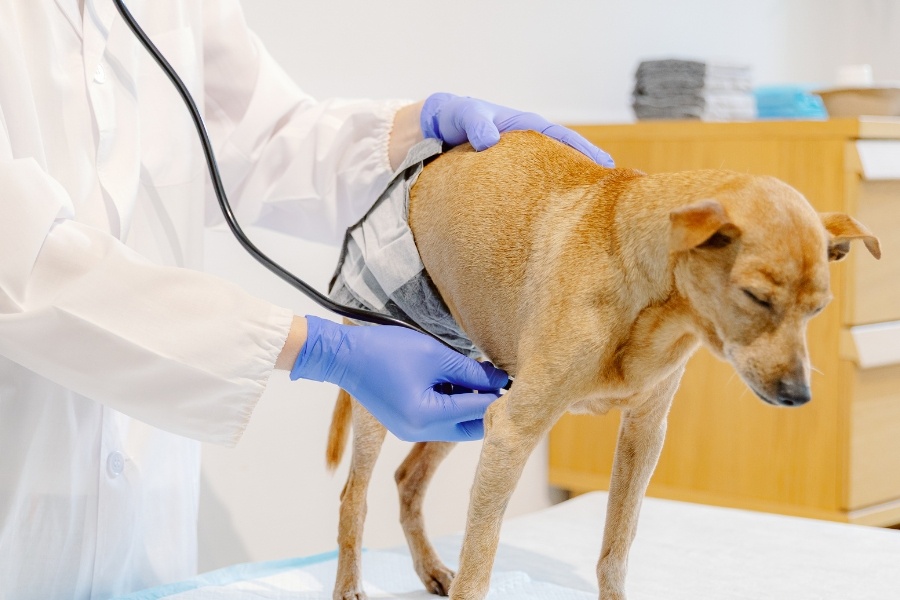
A pet who suddenly avoids the stairs, drinks more water than usual, or loses interest in favorite meals may be showing signs that something has changed internally. These clues do not always point to one obvious cause. A veterinarian often needs to connect what an owner observes with what a physical examination reveals before deciding how to investigate further.
That is where diagnostic testing comes in. At Pine Bluff Animal Hospital, evaluating a pet’s health may involve more than looking at visible symptoms. Depending on the concern, a veterinarian may recommend laboratory work or imaging to gather information that cannot be obtained through an examination alone.
For families seeking veterinary care in Morris, IL, understanding the purpose of these tests can make it easier to participate in decisions about a pet’s health. Here is how veterinarians use diagnostic information to investigate concerns and determine what to do next.
One Symptom Can Have Several Possible Causes
Consider a dog who has started drinking much more water than usual. The change might be related to the weather or activity level, but it could also be associated with a medical problem. Similarly, vomiting can occur for many reasons, ranging from a temporary digestive upset to a condition that needs further attention.
Veterinarians do not interpret symptoms in isolation. They consider when the change began, how often it occurs, whether other signs are present, and what they find during the physical examination.
Pet diagnostic care helps narrow down possible explanations. Depending on the situation, test results may support a suspected cause, reveal another concern, or indicate that additional investigation is necessary. Testing is not about ordering every available procedure; it is about choosing the tests most likely to provide useful information for that individual pet.
What Different Tests Can Reveal
Each diagnostic tool answers different questions. The veterinarian chooses an approach based on the information needed rather than following the same testing plan for every animal.
Bloodwork: Looking Beneath the Surface
Blood tests can provide information about blood cells, organ function, blood sugar, and electrolyte levels. A complete blood count evaluates red blood cells, white blood cells, and platelets, while a blood chemistry panel measures substances that can help assess how certain organs and body systems are functioning.
For example, a veterinarian may recommend bloodwork for a pet with persistent low energy, unexplained weight changes, or a reduced appetite. Blood tests can also help assess a pet before anesthesia or monitor an existing condition. Results need to be interpreted alongside the pet’s symptoms and examination findings.
Urine Testing: Clues About Hydration and Urinary Health
A urine sample can help veterinarians evaluate concentration, identify certain substances, and look for findings that may suggest urinary problems or other health concerns.
Changes such as frequent urination, accidents in a previously house-trained pet, or straining to urinate may prompt further evaluation. Depending on the results, the veterinarian might recommend additional testing to investigate a possible infection or another underlying issue.
Stool Testing: Investigating Digestive Problems
Digestive symptoms can have multiple causes, and stool testing may help identify intestinal parasites or other specific concerns. It may be recommended when a pet has ongoing diarrhea, changes in bowel movements, or relevant exposure risks.
If your veterinarian requests a sample, ask how fresh it should be and how to store it before the appointment. The correct collection method can help ensure the sample is suitable for evaluation.
X-Rays: Examining Internal Structures
X-rays create images that help veterinarians examine bones and certain structures within the chest and abdomen. They may be useful when investigating an injury, persistent coughing, or a suspected swallowed object.
However, an X-ray does not show every type of tissue change or explain every symptom. Additional tests may be needed if the images do not provide enough information.
Ultrasound: A Closer Look at Soft Tissues
Ultrasound uses sound waves to produce images of internal organs and soft tissues. It can help veterinarians assess structures such as the liver, kidneys, and bladder.
The choice between ultrasound, X-rays, laboratory testing, or a combination depends on the concern being investigated. Your veterinarian can explain what a recommended test may show and why it could be useful.
How Test Results Guide the Next Decision
Diagnostic testing is only one part of understanding a pet’s health. The veterinarian considers the results alongside the physical examination, medical history, and symptoms reported at home.
Sometimes, the findings provide enough information to recommend a treatment plan. In other cases, the results may be inconclusive or reveal a need for more specific testing. A veterinarian may also recommend repeating a test later to see whether a finding has changed over time.
It is reasonable to ask questions when results are discussed. Find out what the findings mean for your pet, whether any uncertainty remains, and what signs you should monitor at home. Understanding the reasoning behind the next step can make decisions feel less overwhelming.
Help Your Veterinarian Build the Full Picture
You see your pet every day, so the details you notice can be valuable during an evaluation. Before an appointment, think about what has changed and when it started.
- Describe the change clearly. Explain whether it happens occasionally or every day.
- Bring a timeline. Note changes in appetite, thirst, energy, weight, or bathroom habits.
- Mention medications and supplements. Include anything your pet takes regularly.
- Ask about preparation. Some tests may require fasting or a sample collected in advance. Follow the veterinary team’s instructions rather than making changes on your own.
- Discuss your concerns. Ask what each recommended test is intended to investigate and how the findings could affect the care plan.
Small details that seem unrelated may help your veterinarian decide which possibilities to consider.
Understanding a pet’s health sometimes means looking beyond the symptoms that are easiest to see. Bloodwork, urine and stool testing, and diagnostic imaging each offer different clues, helping veterinarians investigate concerns and make informed recommendations.
If you have noticed changes in your pet’s health, schedule an appointment to discuss your concerns and learn which diagnostic tests may be appropriate for your pet.
Frequently Asked Questions
Q1. Can one diagnostic test identify the cause of every symptom?
Ans: No. Different tests provide different kinds of information, and one result may not explain the entire problem. Your veterinarian may combine examination findings with several tests or recommend further evaluation when needed.
Q2. Should I be concerned if my pet needs several tests?
Ans: Not necessarily. Multiple tests may be recommended because each examines a different aspect of health. Ask your veterinarian what each test is intended to clarify and how the results will help guide decisions.
Q3. Can my pet’s behavior at home help with diagnosis?
Ans: Yes. Changes in sleeping, appetite, thirst, activity, or bathroom habits can provide useful context. Sharing when these changes began and how they have progressed can help your veterinarian assess the concern.
Q4. How does Pine Bluff Animal Hospital approach a pet’s unexplained symptoms?
Ans: The veterinary team can evaluate your pet’s history and examination findings to determine whether diagnostic testing may help investigate the symptoms and identify appropriate next steps.
Q5. Why might Pine Bluff Animal Hospital recommend monitoring after testing?
Ans: Some findings are best understood by observing how they change over time. Depending on the situation, the veterinarian may recommend monitoring symptoms or repeating specific tests to help assess your pet’s health.
Q6. What should I ask Pine Bluff Animal Hospital about my pet’s test results?
Ans: Ask what the results suggest, whether further testing is needed, and what changes to watch for at home. You can also ask when follow-up is recommended and how the findings may influence your pet’s care plan.
Related Articles