7995 Pine Bluff Rd. Morris, IL 60450

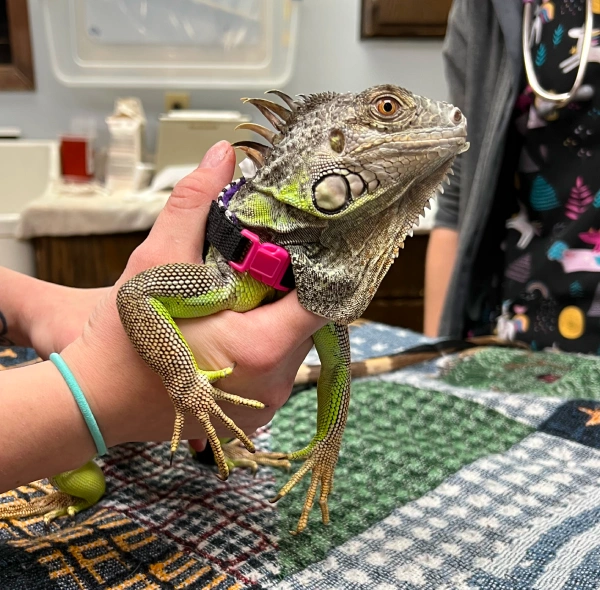
Examinations
During a wellness exam, one of our veterinarians will examine your pet from nose-to-tail, assessing major bodily systems and physical conditions such as weight, skin, coat, dental health, eyes, ears, joints, abdominal region, lumps, pulmonary health, areas of concern, and much more!
What to expect:
- A comprehensive nose-to-tail physical exam
- Recommended vaccinations and necessary diagnostics
- Assess changes in health and indications of illness such as weight gain or loss
- Discuss your pet’s behavior, diet, exercise habits, and regular activity level
- Answer any and all of your questions!
Vaccinations
Vaccines benefit more than just your pet—they also benefit you! Your pet is bound to come in contact with an infectious condition at some point in their life. Much of this is determined by lifestyle, age, health status, and risk of exposure. Staying up-to-date with vaccinations protects your pet’s health, as well as your wallet by avoiding costly treatments.
Parasite Control
Parasites – fleas, ticks, intestinal parasites, worms, and protozoa – can greatly harm your pet and even lead to premature death. Protect your pets from parasites to promote a long and happy life.
How do I prevent parasite infestation in my pet?
- Routine testing
- Preventative medication
- Control parasites in and around your home
- Know the signs/symptoms
- Discuss treatment options
Fleas and Ticks are external parasites that cause skin irritation and skin allergies. Fleas increase the risk for tapeworms and Bartonella, while ticks make your pet susceptible to Lyme disease. To protect your pet from such conditions, visually examine your pet for fleas during daily grooming and signs of ticks after being in high-risk areas such as humid climates, woods, and camping sites. Once-a-month preventatives are a great way to prevent external parasite infestation.
Intestinal Parasites such as roundworm, hookworm, whipworm, and tapeworm are a grave concern as they are nearly present in all areas of the United States and pose an especially great risk to puppies and kittens. Not to mention, humans can transmit intestinal parasites from their pets! For the safety of your entire two-legged and four-legged family, come in for fecal testing once or twice a year.
Heartworms reside in the bloodstream, lungs, and heart and hundreds may be present in one animal! The effects can be debilitating as blood circulation is impaired, resulting in damage to the heart, lungs, liver, and kidneys. Damage may occur prior to outward symptoms, however, advanced symptoms include trouble breathing, coughing, lethargy, low energy, weight loss, and fainting. Mosquitos transmit heartworms making mosquito-infested areas high-risk. At Pine Bluff Animal Hospital, we recommend annual testing as well as once-a-month preventives.
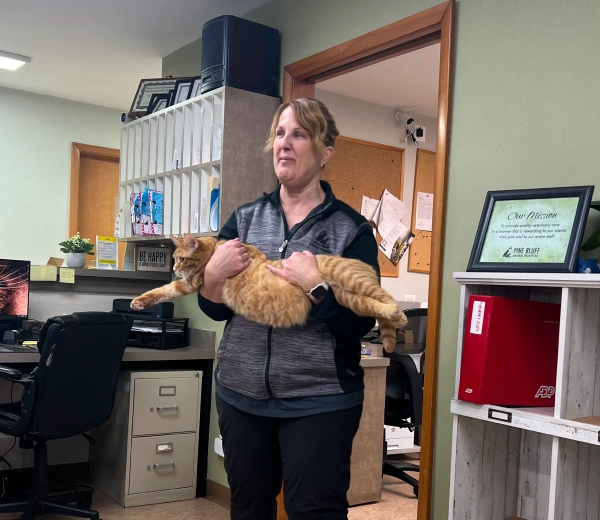
Microchipping
In case you and your companion are ever separated, microchips provide lifelong protection and identification. Collars and ID tags are helpful and strongly recommended, but not fool proof! It is not uncommon for collars and ID tags to fall off, get lost, or removed. While microchips do not act as a tracking device, your contact information is embedded in the microchip. Therefore, if your pet is found, you both can be reunited!
Implantation is fast, low-cost, and virtually painless! Much like a regular vaccination shot, the microchip is implanted between the shoulder blades. Often times, this is performed at the same time as other vaccinations or another procedure.
Nutrition & Weight Management
Avoid sharing human food with your pet to protect against allergies, accidental poisoning, and obesity. Keep in mind that your pet’s nutritional needs are unlike your own. Factors such as age, health condition, gender, weight, and breed effect overall recommended nutrition. Based on these factors, we may recommend a specialized diet or simply a balanced diet. Please note, a sudden change in your pet’s eating habits or unexpected weight gain or loss may indicate a serious, underlying concern.
If your companion suffers from nutritional challenges such as liver disease, renal failure, bladder and kidney stones, food allergies, or obesity—we can offer professional advice and solutions.