7995 Pine Bluff Rd. Morris, IL 60450

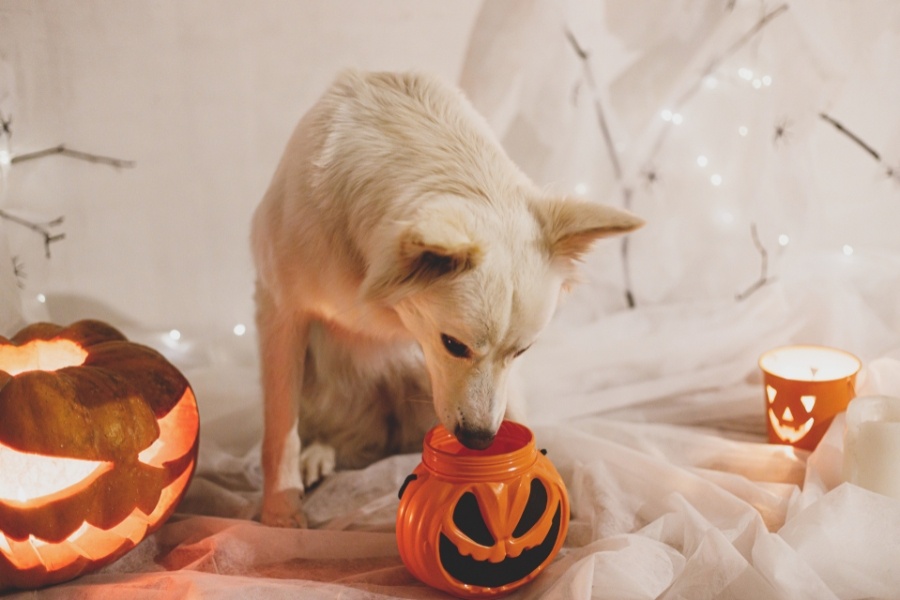
Halloween can be an exciting time for families, but candy, decorations, costumes, and frequent visitors can create unexpected risks for dogs and cats. A curious pet may grab a piece of chocolate, chew on a decoration, or slip through an open door while guests arrive. A few simple precautions can help keep pets safe throughout the holiday.
Pine Bluff Animal Hospital understands the importance of helping pets stay healthy and comfortable throughout the year. For families in Morris, IL, preparing for Halloween means considering the needs of both indoor companions and pets that spend time outside.
If you are searching for a veterinary hospital near you for advice about seasonal pet safety, understanding common Halloween hazards is a helpful first step. Knowing what to prevent and when to seek veterinary care can help you make safer choices for your pet.
What Are the Most Common Halloween Hazards for Pets?
The main Halloween hazards include toxic candy, unsafe decorations, stressful interactions with visitors, and accidental escapes. Indoor pets may encounter dangerous household items, while outdoor pets can face unfamiliar activity, traffic, and unsecured gates.
1. Keep Candy and Chocolate Away From Pets
Chocolate can be toxic to dogs and cats, and darker chocolate generally contains higher concentrations of harmful compounds. Sugar-free gum and candy containing xylitol can cause dangerous blood sugar changes in dogs. Raisins and certain other ingredients may also be harmful.
Candy wrappers can cause additional problems if swallowed, including digestive irritation or intestinal blockage.
Store treats in closed cabinets or secure containers. Remind children not to share Halloween candy with pets, even if a dog or cat begs for a taste.
If your pet eats potentially toxic candy, contact a veterinarian or animal poison control service immediately. Do not wait for symptoms or induce vomiting unless a veterinary professional directs you to do so.
2. Choose Decorations With Pet Safety in Mind
Halloween decorations can attract pets with their movement, texture, and lights. Chewed electrical cords may cause injuries, while swallowed plastic props, fake cobwebs, and small decorative pieces can create choking or intestinal blockage risks.
Open flames from candles can also cause burns or accidental fires if knocked over. Battery-operated lights are generally a safer alternative, but batteries must remain inaccessible to pets.
Secure loose cords, keep decorations out of reach, and avoid items with small parts that pets could chew off. Check the floor regularly for dropped objects, wrappers, and broken decorations.
3. Prevent Escapes When Guests Arrive
Repeated doorbell rings and unfamiliar visitors can make pets excited or frightened. Even a well-behaved dog or indoor cat may dash outside when the front door opens.
Place pets in a secure room away from the entrance before welcoming trick-or-treaters. Make sure collars have current identification tags and that microchip registration information is up to date.
For outdoor pets, inspect fences, gates, and enclosures before Halloween. Bring pets indoors when neighborhood activity increases, especially if they become anxious around strangers or loud noises.
4. Protect Outdoor Pets From Halloween Risks
Outdoor pets may encounter discarded candy, unfamiliar people, increased traffic, and decorations left within reach. These hazards can be especially concerning for animals that roam freely.
Whenever possible, keep pets indoors during busy trick-or-treating hours. Take dogs outside on a secure leash and supervise them rather than relying on an open yard. Keeping cats indoors can reduce their exposure to traffic and unfamiliar activity.
Reflective collars or harnesses can improve visibility during walks, but they do not replace a leash and close supervision. Never leave a pet tied up near the front entrance where visitors may approach unexpectedly.
5. Watch for Stress and Costume Problems
Some pets tolerate costumes, while others feel restricted or frightened. Dogs may pant, pace, bark, or hide. Cats may crouch, flatten their ears, hiss, or retreat from visitors.
If your pet wears a costume, make sure it allows comfortable movement, breathing, hearing, and vision. Avoid tight clothing and dangling pieces that could be chewed or swallowed. Remove the costume if your pet seems uncomfortable.
Provide nervous pets with a quiet room, fresh water, familiar bedding, and a place to hide. Never force an animal to interact with guests.
When Should You Contact a Veterinarian?
Contact a veterinarian promptly if your pet may have eaten chocolate, xylitol-containing candy, a battery, or another potentially dangerous object. The level of risk depends on the substance, amount, and size of the animal.
Difficulty breathing, collapse, seizures, or severe weakness require emergency veterinary attention. Repeated vomiting, significant lethargy, or signs of abdominal pain also warrant prompt evaluation.
Keep the product packaging if possible and note what your pet may have swallowed and when. These details can help the veterinary team determine the appropriate next steps.
A safe Halloween starts with a few practical steps: secure candy, choose safer decorations, prevent escapes, supervise outdoor activities, and respect your pet’s comfort level. Preparing ahead can help dogs and cats avoid common holiday hazards.
If you have concerns about your pet’s health or behavior during the holiday, schedule an appointment to discuss your concerns and appropriate care.
Frequently Asked Questions
Q1. Are Halloween glow sticks dangerous for pets?
Ans: Chewing a glow stick can expose pets to an irritating liquid that may cause drooling, foaming, or mouth discomfort. Keep glow sticks out of reach and contact your veterinarian if your pet chews one or develops concerning symptoms.
Q2. Can pets eat pumpkin during Halloween?
Ans: Plain, unseasoned pumpkin may be appropriate for many pets in small amounts. However, pumpkin desserts may contain unsuitable ingredients, and rotting pumpkins or decorative pieces can cause problems if eaten.
Q3. Should I keep my outdoor cat inside on Halloween?
Ans: Yes, keeping your cat indoors during Halloween can reduce exposure to traffic, unfamiliar visitors, and frightening noises. Provide a comfortable indoor space with food, water, a litter box, and a hiding place.
Q4. How can Pine Bluff Animal Hospital help with suspected Halloween poisoning?
Ans: The veterinary team can assess your pet’s situation and advise on appropriate care. Contact the hospital promptly if your pet may have eaten a toxic treat or swallowed a hazardous object.
Q5. Why should Morris pet owners discuss recurring safety concerns with their veterinarian?
Ans: Recurring issues such as chewing nonfood objects, escaping when frightened, or reacting strongly to visitors may benefit from professional evaluation. A veterinarian can help identify possible contributing factors and discuss suitable prevention strategies.
Q6. What information should I prepare when contacting Pine Bluff Animal Hospital about a Halloween hazard?
Ans: Describe what your pet may have eaten or swallowed, the estimated amount, when it happened, and any symptoms you have noticed. Keep packaging or a photo of the item if available, as these details may help guide the next steps.
Related Articles