7995 Pine Bluff Rd. Morris, IL 60450

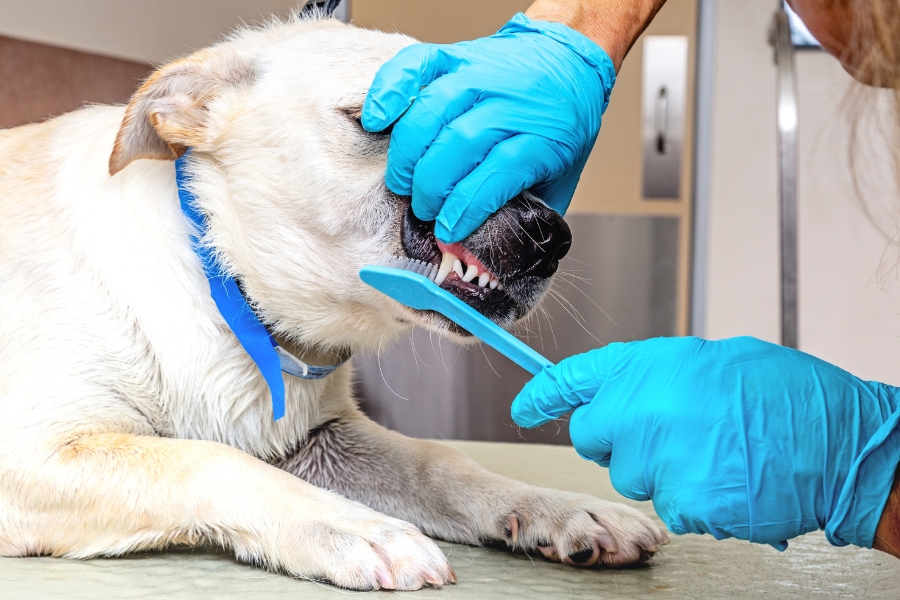
If your pet has bad breath, it may be more than just an unpleasant smell. For pet owners, changes in your dog or cat’s breath can sometimes indicate problems affecting their teeth, gums, or overall health.
Pine Bluff Animal Hospital helps pet owners in and around Morris to understand the causes of bad breath and the importance of regular dental care in maintaining their pet’s health.
A mild odor after eating may occur occasionally, but persistent bad breath in pets can be a sign that something needs attention. Dental problems are common in pets, and early evaluation can help identify concerns before they become more serious.
What Causes Bad Breath in Dogs and Cats?
The most common reason pets develop bad breath is the buildup of plaque and tartar on their teeth. When bacteria collect around the gums, they can create unpleasant odors and contribute to dental disease.
Other possible causes include:
- Gum inflammation caused by bacterial buildup
- Infected or damaged teeth
- Oral injuries or foreign objects stuck in the mouth
- Certain digestive or internal health concerns
- Poor oral hygiene over time
Bad breath alone cannot confirm the exact cause. A veterinary examination is needed to understand whether the issue is related to the mouth or another health concern.
Signs Your Pet May Need a Dental Examination
Many pets hide discomfort, making it important for owners to notice small changes. Along with bad breath, watch for signs such as:
- Difficulty chewing or dropping food
- Red, swollen, or bleeding gums
- Loose or missing teeth
- Pawing at the mouth
- Changes in eating habits
- Excessive drooling
- Facial swelling
- Reluctance to play with chew toys
Some pets may continue eating normally even when dental problems are present. Regular veterinary checks allow hidden issues to be identified earlier.
How Cat Dental Cleaning Works: From Anesthesia to Recovery
Many pet owners wonder what happens during a cat dental cleaning. The procedure involves several steps designed to keep the cat comfortable and allow the veterinarian to examine and clean areas that cannot be safely treated while the pet is awake.
Before the cleaning begins, the veterinarian performs a health evaluation. This may include a physical examination and recommended testing based on the cat’s age and medical history to help assess anesthesia safety.
During the procedure:
- Anesthesia Preparation
Cats are placed under anesthesia so they remain still and comfortable during the dental procedure. This allows the veterinary team to examine the entire mouth, including areas below the gumline. - Dental Examination and Cleaning
The veterinarian checks the teeth and gums for signs of disease. Plaque and tartar are removed, and the teeth are cleaned using appropriate dental equipment. - Additional Dental Treatment
If damaged or unhealthy teeth are found, the veterinarian discusses possible treatment options. Recommendations depend on each cat’s individual oral health needs. - Recovery and Monitoring
After cleaning, the cat is monitored while waking from anesthesia. The veterinary team observes signs of recovery and provides instructions for at-home care.
Professional dental procedures are an important part of pet dental care because they allow veterinarians to address areas that daily brushing may not reach.
How Veterinarians Help Manage Dental Problems
A complete dental evaluation helps determine the condition of your pet’s teeth and gums. Dr. Schmidt at Pine Bluff Animal Hospital evaluates oral health concerns and guides pet owners on appropriate next steps based on their pet’s needs.
Treatment recommendations may include professional cleaning, home dental routines, dietary adjustments, or other dental procedures when needed. The goal is to support comfort, maintain oral function, and help prevent worsening dental concerns.
If you notice persistent bad breath in your pet or other mouth-related changes, it is important to schedule a veterinary visit rather than waiting for symptoms to become severe. You can book online or call us for guidance about your pet’s dental needs.
Ways to Support Your Pet’s Oral Health at Home
Home care plays an important role in maintaining your pet’s mouth health between veterinary visits. Helpful habits may include:
- Brushing your pet’s teeth with veterinarian-approved products
- Scheduling regular dental examinations
- Providing appropriate dental products recommended for your pet
- Monitoring changes in eating habits or chewing behavior
Consistent pet dental care can help reduce plaque buildup and support healthier teeth and gums.
When Should You Contact a Veterinarian About Bad Breath?
Occasional mild odor may not indicate a serious problem, but persistent bad breath in pets should be evaluated. Contact our veterinarian if your pet has mouth pain, bleeding gums, facial swelling, difficulty eating, or sudden changes in behavior.
Pets with severe discomfort or sudden swelling may need prompt veterinary attention. Early assessment helps determine the cause and the appropriate care plan.
Help Your Pet Maintain a Healthier Smile
Your pet’s breath can provide important clues about their oral health. If you notice changes in your dog’s or cat’s mouth, professional evaluation can help identify possible dental concerns and provide appropriate care options.
Pine Bluff Animal Hospital provides comprehensive dental services to help pets receive the attention they need for healthier teeth and gums. Schedule an appointment for your pet’s dental needs.
FAQs
Q1. Why does my dog or cat suddenly have bad breath?
Sudden bad breath may result from changes in oral bacteria, dental problems, or other health issues. A veterinary examination can help determine the possible cause and appropriate treatment.
Q2. Is bad breath in pets always a sign of dental disease?
Not always, but ongoing bad breath can be linked to plaque buildup, gum problems, or other medical issues. Pine Bluff Animal Hospital can evaluate your pet’s oral health and recommend suitable care.
Q3. How often should my pet receive dental care?
The frequency of dental examinations depends on your pet’s age, health history, and oral condition. Regular checkups help monitor changes and support long-term oral health.
Q4. What happens after a cat dental cleaning?
After a dental cleaning, cats are monitored as they recover from anesthesia. Our veterinarian provides home-care instructions based on your cat’s condition after the procedure.
Q5. Can I prevent dental problems in my pet at home?
Daily brushing, veterinarian-approved dental products, and routine examinations can help support your pet’s oral health. Pine Bluff Animal Hospital can guide you on maintaining proper dental habits for your pet.
Q6. When should I schedule a dental visit for my pet?
Schedule a visit if you notice persistent odor, changes in chewing, gum redness, drooling, or signs of mouth discomfort. Pine Bluff Animal Hospital offers dental evaluations to help address these concerns.
Related Articles