7995 Pine Bluff Rd. Morris, IL 60450

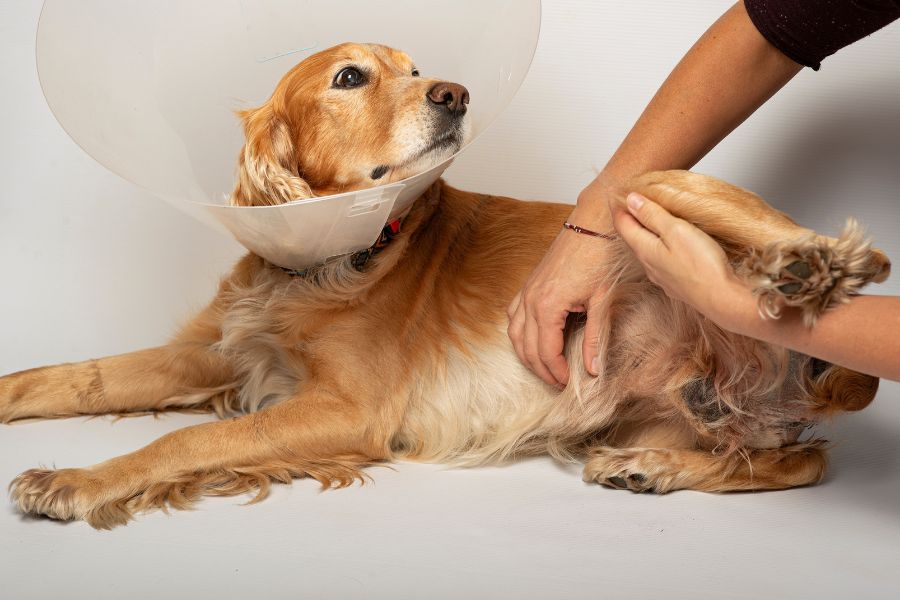
Hearing that your dog or cat needs surgery can leave you with plenty of questions. What happens before the procedure? How will your pet be monitored during surgery? What should you expect once they come home? Knowing what the process generally looks like can make the experience feel more manageable.
For pet owners in Morris, IL, understanding the steps involved in veterinary surgery can also help you prepare your pet and your home for the days ahead. Every procedure is different, so your veterinarian will provide instructions based on your pet’s specific condition and surgical needs.
Pet surgery may be recommended for many reasons, including injuries, growths, dental problems, orthopedic conditions, or other health concerns. While the details vary from one procedure to another, most surgeries involve several important stages, from pre-surgical evaluation through recovery.
What Happens Before Pet Surgery?
Before surgery, your veterinarian will evaluate your pet’s overall health and discuss the procedure with you. This may include a physical examination, review of your pet’s medical history, and diagnostic testing when appropriate.
Pre-surgical bloodwork may be recommended to provide information about organ function and other aspects of your pet’s health. Your veterinarian may also discuss anesthesia, medications, fasting instructions, potential risks, and what you should expect during recovery.
Why Is a Pre-Surgical Evaluation Important?
A pre-surgical evaluation helps the veterinary team identify health factors that may affect anesthesia or the procedure. It also provides an opportunity to address questions and make sure you understand the preparation and aftercare instructions.
Follow all feeding, medication, and arrival instructions provided by your veterinary team. If your pet develops an illness, significant change in behavior, or other health concern before surgery, let the veterinary team know.
What Happens During Pet Surgery?
During surgery, your pet is typically placed under anesthesia so the procedure can be performed safely and without causing awareness of the surgical process. The veterinary team monitors your pet throughout anesthesia and the procedure.
Monitoring may include tracking heart rate, breathing, blood oxygen levels, blood pressure, and body temperature. The specific monitoring used depends on the procedure and your pet’s individual health needs.
The surgical process itself varies considerably. A routine soft-tissue procedure may look very different from orthopedic surgery or another specialized operation. Your veterinarian should explain the expected procedure and answer questions before the scheduled surgery.
What Should You Expect After Surgery?
After surgery, your pet will be monitored while recovering from anesthesia. Some pets may be sleepy, unsteady, or less interested in food for a period after anesthesia. Your veterinary team will let you know what is expected and when your pet is ready to go home.
Before discharge, you should receive instructions about medications, feeding, activity restrictions, incision care, and follow-up visits. Ask questions if any part of the instructions is unclear.
How Can You Prepare Your Home?
Create a quiet, comfortable area where your pet can rest without excessive activity. Depending on the procedure, your veterinarian may recommend restricting running, jumping, stairs, or rough play during recovery.
Keep medications organized and give them exactly as directed. Avoid giving your pet additional medications unless your veterinarian has specifically recommended them, since some human medications can be dangerous for dogs and cats.
If your pet has undergone oral surgery or another procedure that affects eating, follow the veterinary team’s feeding recommendations carefully. Having appropriate [pet dental care] or other follow-up services scheduled when needed can also help keep recovery on track.
How Do You Monitor Your Pet During Recovery?
Close observation is one of the most helpful things you can do after surgery. Watch your pet’s appetite, energy level, mobility, bathroom habits, and overall behavior.
If your pet has an incision, follow the instructions provided for keeping the area clean and protected. Prevent your pet from licking or chewing the surgical site if your veterinarian recommends using a protective collar or other measure.
Some discomfort can occur after surgery, but your veterinary team should explain what level of discomfort is expected and which signs may indicate a problem. Keeping your pet’s follow-up appointment is also important because your veterinarian can assess healing and determine whether additional care is needed.
When Should You Seek Veterinary Care?
Call your veterinary team if you notice concerning changes during recovery, particularly if they are worsening rather than improving. Signs such as significant swelling, persistent bleeding, discharge from an incision, severe pain, repeated vomiting, difficulty breathing, collapse, or extreme weakness may require prompt veterinary attention.
If you are unsure whether a post-surgical change is normal, it is better to ask the veterinary team rather than making assumptions. Keep your discharge instructions available so you can refer to them during recovery.
Understanding what happens before, during, and after surgery can help you feel better prepared to care for your pet. Pine Bluff Animal Hospital can provide veterinary guidance throughout the surgical process, including pre-surgical evaluation, procedure-related care, and recovery recommendations tailored to your dog’s or cat’s needs.
If your pet needs a surgical evaluation or you have questions about an upcoming procedure, schedule an appointment to discuss the next steps and your pet’s individual care needs.
Frequently Asked Questions
Q1. Will my pet need to fast before surgery?
Ans: Fasting instructions vary depending on your pet, procedure, and anesthesia plan. Follow the specific feeding and water instructions provided by your veterinary team rather than assuming the same instructions apply to every procedure.
Q2. How long does it take a pet to recover from surgery?
Ans: Recovery time varies significantly depending on the type of surgery, your pet’s overall health, and the procedure performed. Your veterinarian can provide more specific expectations based on your pet’s surgery.
Q3. How can I keep my pet from damaging the surgical incision?
Ans: Follow your veterinarian’s recommendations for protecting the incision. Activity restrictions and protective devices may be recommended depending on the procedure and your pet’s behavior.
Q4. Does Pine Bluff Animal Hospital perform pet surgery?
Ans: Pine Bluff Animal Hospital can evaluate pets that may need surgical care and discuss appropriate treatment options based on their individual health needs.
Q5. What should I expect from a surgical evaluation at Pine Bluff Animal Hospital?
Ans: A surgical evaluation may include a physical examination, review of your pet’s medical history, discussion of the proposed procedure, and diagnostic testing when appropriate.
Q6. Can Pine Bluff Animal Hospital provide post-surgical care?
Ans: Post-surgical care may include recovery guidance, medication instructions, incision monitoring recommendations, and follow-up evaluation based on the procedure and your pet’s needs.
Related Articles