7995 Pine Bluff Rd. Morris, IL 60450

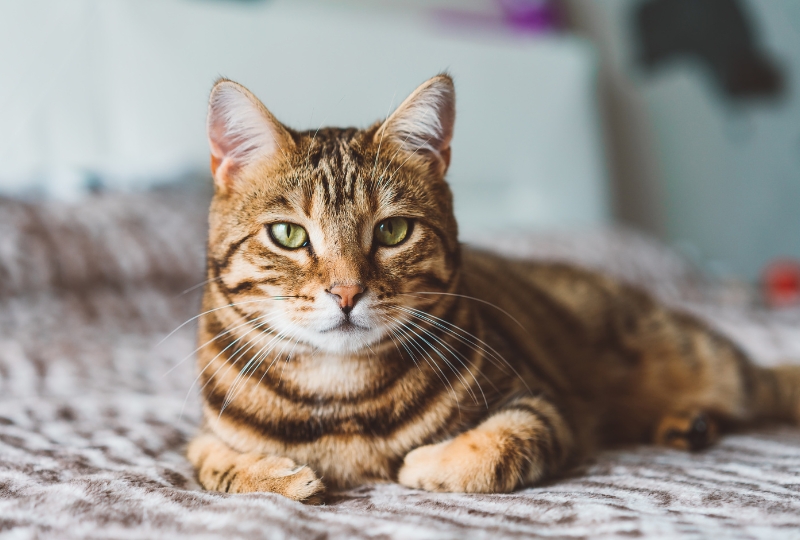
Growing older is a natural part of every pet’s life. As dogs and cats move from adulthood into their senior years, their bodies and daily needs can change. They may become less active, gain or lose weight, experience changes in mobility, or show differences in appetite and behavior. Although some changes are a normal part of aging, others may signal an underlying health concern.
Regular veterinary care gives pet owners an opportunity to identify these changes early. In addition, routine examinations allow veterinarians to monitor health over time, recommend appropriate screening, and adjust nutrition and lifestyle plans as pets age. With the right support, many older pets can remain comfortable, active, and engaged with their families for years.
Pine Bluff Animal Hospital provides individualized veterinary guidance for aging dogs and cats. This guide explains how proactive wellness, nutrition, dental health, exercise, and home monitoring can help older companions enjoy a longer and healthier life.
Why Senior Pet Care Is Important
Senior pet care focuses on meeting the changing physical and emotional needs of older animals. As pets age, their metabolism, immune response, muscle mass, activity levels, and organ function can change. Therefore, the care that worked well during adulthood may no longer be ideal later in life.
Regular veterinary visits can help your veterinarian establish a clear health baseline and recognize subtle changes. Furthermore, these appointments provide an opportunity to discuss nutrition, weight, mobility, dental health, behavior, and other aspects of your pet’s well-being.
The goal is not simply to treat problems after they appear. Instead, proactive care aims to identify concerns earlier and help maintain your pet’s comfort and quality of life.
When Does a Pet Become a Senior?
There is no universal age when every dog or cat becomes a senior. Aging depends on several factors, including species, breed, size, genetics, lifestyle, and overall health.
For example, larger dogs often experience age-related changes earlier than smaller breeds. Cats, meanwhile, may remain active and healthy well into their later years.
Rather than relying only on age, watch for changes in your pet’s physical condition and behavior.
Potential signs of aging include:
- Sleeping more than usual
- Reduced interest in play
- Difficulty climbing stairs
- Reluctance to jump
- Stiffness after resting
- Changes in appetite
- Weight gain or weight loss
- Reduced muscle mass
- Changes in bathroom habits
- Increased thirst
- Cloudy eyes or vision changes
- Hearing difficulties
- Bad breath
- Changes in social behavior
These signs do not always indicate serious disease. Nevertheless, persistent or sudden changes deserve professional attention.
Regular Wellness Exams Can Make a Difference
Older pets can develop health problems without showing obvious symptoms. In fact, many animals instinctively hide discomfort. As a result, a pet may seem fine at home even when something has changed internally.
Routine veterinary examinations allow your veterinarian to evaluate your pet from several perspectives.
During a wellness visit, the veterinary team may assess:
- Heart and lung function
- Body weight
- Muscle condition
- Joint movement
- Skin and coat
- Eyes and ears
- Teeth and gums
- Appetite
- Activity level
- Behavior
- Bathroom habits
Depending on your pet’s age, breed, history, and examination findings, your veterinarian may recommend bloodwork, urine testing, imaging, or other diagnostic screening.
These tests can provide information that a physical examination alone may not reveal. Therefore, following age-appropriate screening recommendations can support earlier detection and more informed healthcare decisions.
Weight Management Becomes Increasingly Important
Maintaining a healthy weight is important throughout life, but it becomes particularly valuable as pets grow older.
Senior animals may become less active while continuing to eat the same amount of food. Consequently, they may gain excess weight over time. Extra weight can place additional pressure on joints and make movement more difficult.
On the other hand, unexplained weight loss can also signal a problem. Dental disease, digestive conditions, metabolic disorders, reduced appetite, and other concerns can contribute to weight changes.
For this reason, monitor your pet’s body condition rather than focusing only on the number on a scale.
Your veterinarian can help determine whether your pet needs:
- Portion adjustments
- A different feeding schedule
- A nutritional change
- Calorie management
- Additional exercise
- Further diagnostic testing
A gradual, individualized approach is generally more appropriate than making sudden changes.
Nutrition Should Adapt With Age
A young adult pet and an aging companion do not necessarily have identical nutritional requirements.
As activity levels and metabolism change, your pet may need adjustments to calorie intake, portion size, or nutrient balance. In addition, certain medical conditions may require a specialized nutritional plan.
During veterinary visits, discuss your pet’s current food, treats, feeding schedule, appetite, and body condition.
Also, monitor eating habits at home. A sudden decrease in appetite or a noticeable increase in food consumption can provide important information about your pet’s health.
If your pet consistently refuses food, loses weight, or develops other changes, contact your veterinary team promptly.
Dental Health Should Not Be Overlooked
Dental disease can affect pets at any age, but years of plaque and tartar buildup can make oral health especially important for older animals.
Pets may continue eating despite dental discomfort. Therefore, owners may not realize a problem exists until it becomes advanced.
Watch for signs such as:
- Persistent bad breath
- Red or swollen gums
- Excessive drooling
- Difficulty chewing
- Dropping food
- Reduced appetite
- Loose teeth
- Pawing at the mouth
- Facial swelling
- Changes in eating habits
Routine oral examinations can help identify dental concerns earlier. Your veterinarian can also recommend appropriate professional dental treatment and home-care practices based on your pet’s individual needs.
Mobility Changes Need Attention
Reduced mobility is one of the most noticeable changes many owners see as their pets age. A dog may take longer to stand up, while a cat may stop jumping onto furniture.
However, decreased activity should not automatically be dismissed as normal aging. Joint disease, arthritis, muscle loss, previous injuries, and other conditions can affect movement.
Pay attention to signs such as:
- Stiffness after sleeping
- Difficulty standing
- Reluctance to climb stairs
- Avoiding jumps
- Limping
- Walking more slowly
- Reduced interest in play
- Difficulty getting into a vehicle
If your pet shows these changes, speak with your veterinarian. An examination can help determine the cause and identify ways to support mobility and comfort.
Make Your Home Easier to Navigate
You can also make simple changes around the house.
Consider providing:
- Supportive bedding
- Non-slip rugs or mats
- Easy access to food and water
- Ramps or steps where appropriate
- Accessible litter boxes for cats
- A quiet resting area
- Clear pathways without unnecessary obstacles
These adjustments can help older pets move around with greater confidence.
Behavioral Changes Can Provide Important Clues
Behavioral changes can sometimes indicate that an older pet needs veterinary attention.
For instance, your pet may become less social, vocalize more often, sleep differently, or begin having accidents indoors. Although age-related cognitive changes can contribute to some behaviors, pain, sensory loss, anxiety, and medical conditions can also play a role.
Therefore, do not assume that unusual behavior is simply part of getting older.
Keep track of changes and discuss them with your veterinarian. A detailed description of when the behavior started and how often it occurs can help the veterinary team determine the next steps.
Keep Older Pets Physically Active
Aging does not mean your pet should stop exercising. In fact, appropriate activity can help maintain muscle strength, joint flexibility, healthy weight, and mental stimulation.
However, older pets may need gentler activities.
For dogs, shorter walks may be more appropriate than long, strenuous outings. For cats, gentle interactive play can encourage movement without excessive jumping.
Always consider your pet’s physical condition. If your companion shows weakness, excessive fatigue, breathing difficulty, pain, or other concerning signs during activity, stop and contact your veterinarian.
Mental Stimulation Matters Too
Mental wellness is another important part of healthy aging.
Older pets can benefit from activities that encourage natural behaviors and provide positive interaction. Depending on your pet’s abilities, you can use:
- Food puzzles
- Scent games
- Gentle interactive toys
- Short training sessions
- Supervised outdoor exploration
- Positive social interaction
Keep activities appropriate for your pet’s physical abilities. The goal is to provide enrichment without creating unnecessary stress or fatigue.
Monitor Vision and Hearing
Sensory changes can occur as pets age. Reduced vision or hearing may affect how an animal interacts with people and its surroundings.
Possible signs include:
- Bumping into furniture
- Difficulty finding familiar objects
- Startling easily
- Not responding to familiar sounds
- Hesitating on stairs
- Becoming nervous in unfamiliar areas
If your pet develops sensory changes, maintain a predictable home environment. Avoid moving furniture unnecessarily and provide clear, safe pathways.
Most importantly, report significant changes to your veterinarian so potential medical causes can be evaluated.
Pay Attention to Water Consumption and Bathroom Habits
Changes in thirst and bathroom behavior can provide valuable information about an older pet’s health.
Monitor how frequently your pet urinates and whether you notice changes in urine volume. Also pay attention to bowel movements, stool consistency, straining, or accidents in the home.
Increased thirst, frequent urination, difficulty urinating, constipation, diarrhea, or new house-training problems should be discussed with your veterinarian.
While these signs can have many possible causes, early evaluation can help determine whether further testing is appropriate.
Create a Consistent Daily Routine
Older pets often benefit from predictable routines. Consistent meal times, exercise schedules, rest periods, and bathroom opportunities can make daily life easier.
A routine can also help owners recognize changes more quickly. For example, if your dog normally finishes breakfast immediately but suddenly loses interest in food, the difference may be easier to notice when meals follow a consistent schedule.
Similarly, a predictable activity routine makes changes in energy or mobility more apparent.
Monitor Your Pet Between Veterinary Visits
Veterinary examinations are important, but owners also play an essential role in monitoring an aging companion.
Pay attention to:
- Appetite
- Water intake
- Weight
- Energy
- Mobility
- Sleep
- Behavior
- Dental health
- Skin and coat
- Urination
- Bowel movements
Consider keeping a simple record of noticeable changes. This information can help your veterinarian understand patterns that may not be obvious during a single appointment.
If something changes suddenly or persists over time, contact your veterinary team rather than waiting for the next routine visit.
How Pine Bluff Animal Hospital Supports Aging Pets
Pine Bluff Animal Hospital provides veterinary services designed to address the changing needs of older dogs and cats. The veterinary team can evaluate your pet’s overall health and develop recommendations based on age, lifestyle, medical history, and individual risk factors.
Senior wellness visits provide an opportunity to discuss nutrition, weight management, dental health, mobility, behavior, preventive services, and age-appropriate diagnostic screening.
Most importantly, individualized veterinary guidance helps families make informed decisions as their pets move through different stages of life.
Build a Long-Term Wellness Plan
Healthy aging does not depend on one appointment or one treatment. Instead, it involves consistent attention over time.
A long-term wellness plan may include:
- Regular veterinary examinations
- Age-appropriate diagnostic screening
- Healthy weight management
- Balanced nutrition
- Dental monitoring
- Appropriate exercise
- Mental enrichment
- Mobility support
- Home observation
- Prompt attention to new symptoms
By combining these habits, you can create a supportive environment that helps your companion maintain comfort and quality of life.
Aging is a natural part of your pet’s journey, but it does not mean that an older dog or cat cannot enjoy an active and fulfilling life. With regular veterinary examinations, appropriate nutrition, dental attention, weight management, mobility support, mental stimulation, and careful observation at home, you can help your companion stay comfortable as they age.
Most importantly, do not ignore small changes. A shift in appetite, activity, weight, behavior, or mobility may provide an early indication that your pet needs attention. Working with your veterinary team can help identify potential concerns and determine appropriate care.
If you’re in Morris, IL and looking for senior pet care, schedule an appointment with Pine Bluff Animal Hospital. Our veterinary hospital is ready to provide compassionate, individualized care to help your senior companion enjoy a longer, healthier, and more comfortable life.
Frequently Asked Questions
- When is a dog or cat considered a senior pet?
The senior stage varies based on species, breed, size, genetics, and overall health. Large dogs may show age-related changes earlier than smaller breeds, while cats can remain active well into their later years. Your veterinarian can help determine when your pet should receive senior-focused wellness care.
- How often should an older pet have a veterinary examination?
Senior pets may benefit from more frequent examinations than younger adult animals. The ideal schedule depends on your pet’s age, health history, breed, and individual needs. Your veterinarian can recommend an appropriate wellness schedule.
- What are common signs of aging in dogs and cats?
Common changes include reduced activity, stiffness, weight changes, altered appetite, increased sleeping, dental problems, changes in behavior, reduced vision or hearing, and changes in bathroom habits. Persistent or sudden changes should be discussed with your veterinarian.
- Can older pets still exercise regularly?
Yes. Appropriate exercise can support muscle strength, mobility, healthy weight, and mental well-being. However, senior pets may need shorter walks, gentler activities, or more frequent rest periods. Your veterinarian can help determine an appropriate activity level.
- How can Pine Bluff Animal Hospital help my senior pet?
Pine Bluff Animal Hospital can provide individualized wellness care for aging pets. The veterinary team can evaluate overall health, monitor changes, discuss nutrition and mobility, assess dental health, and recommend age-appropriate diagnostic screening when appropriate.
- What can I do at home to support my aging pet?
Provide comfortable bedding, safe flooring, easy access to food and water, appropriate exercise, mental enrichment, and a predictable routine. Also monitor appetite, weight, mobility, behavior, and bathroom habits, and report concerning changes to your veterinarian.
Related Articles